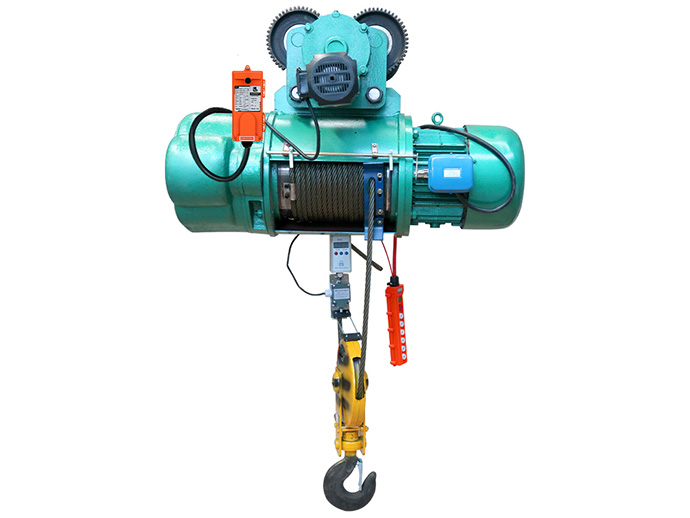
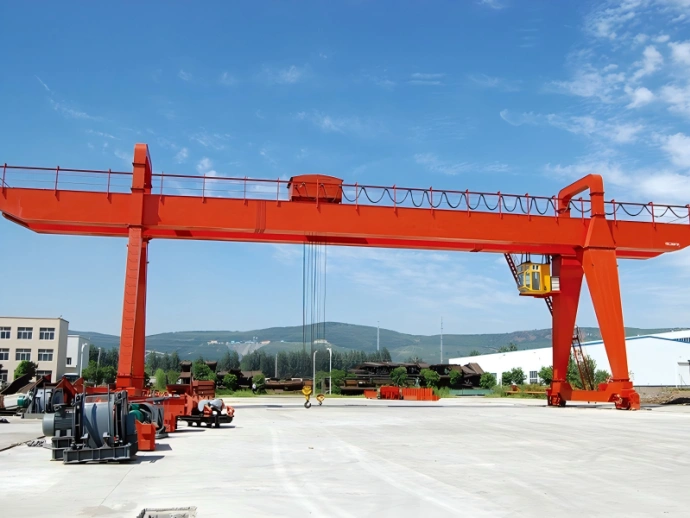
Choosing between a 5-ton and a 10-ton overhead bridge crane is one of the most common decisions facility managers face. Get it wrong, and you either overspend on capacity you don’t need — or buy a crane that can’t handle your actual workload.
This guide gives you a clear, side-by-side comparison of both options. We cover load capacity, structural requirements, operating costs, and the specific scenarios where each crane type makes sense. By the end, you’ll know exactly which overhead bridge crane fits your facility.
1. Understanding the Core Difference
What Does Rated Capacity Actually Mean?
Crane capacity refers to the maximum safe working load (SWL) a crane can lift. A 5-ton overhead bridge crane lifts up to 5,000 kg. A 10-ton model handles up to 10,000 kg.
But capacity is not the only factor. Duty class matters just as much. Under ISO 4301, a 5-ton crane rated A3 handles moderate use. A 10-ton crane at A5 is built for continuous, heavy-duty cycles. Same weight class, very different design life.
Single Girder vs. Double Girder Construction
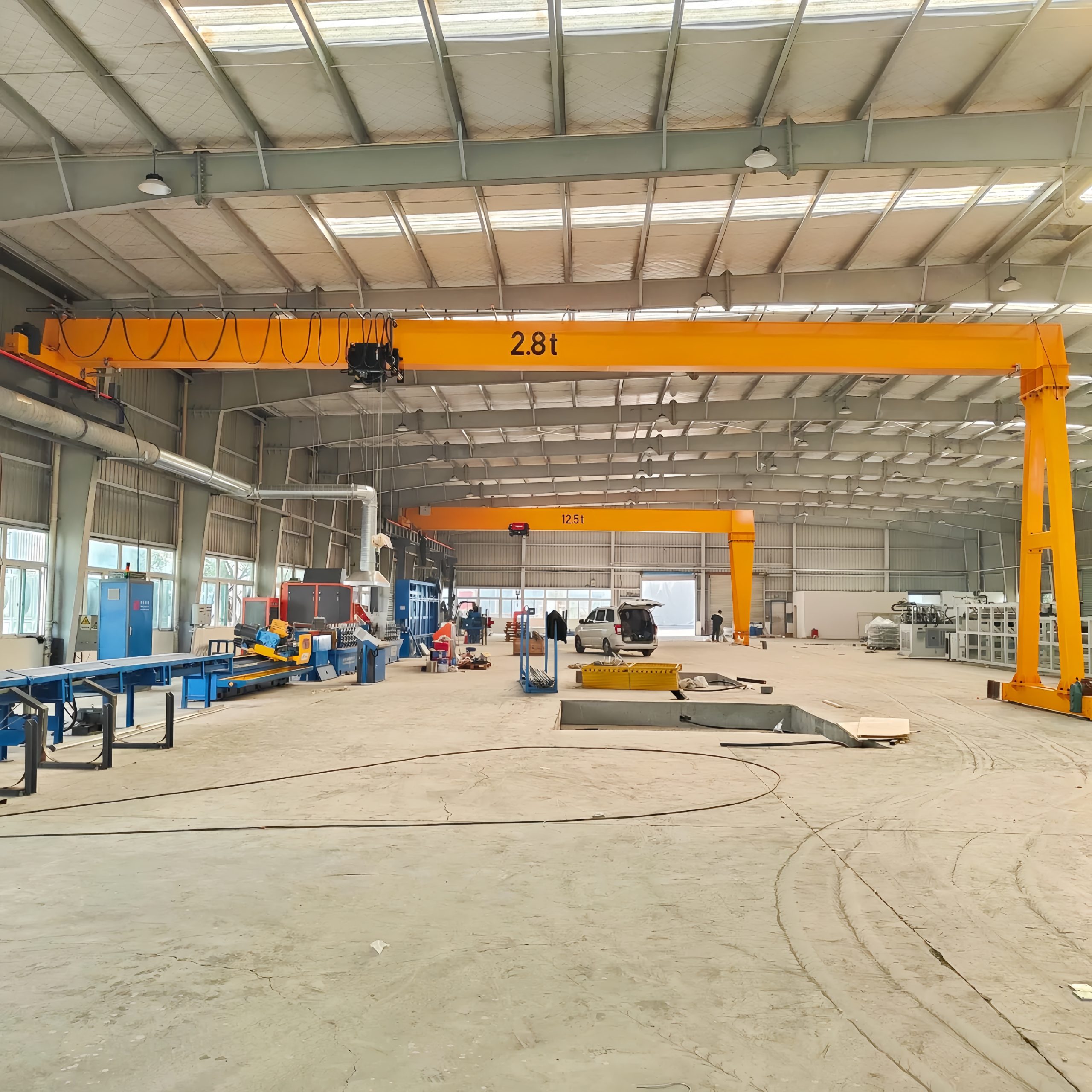
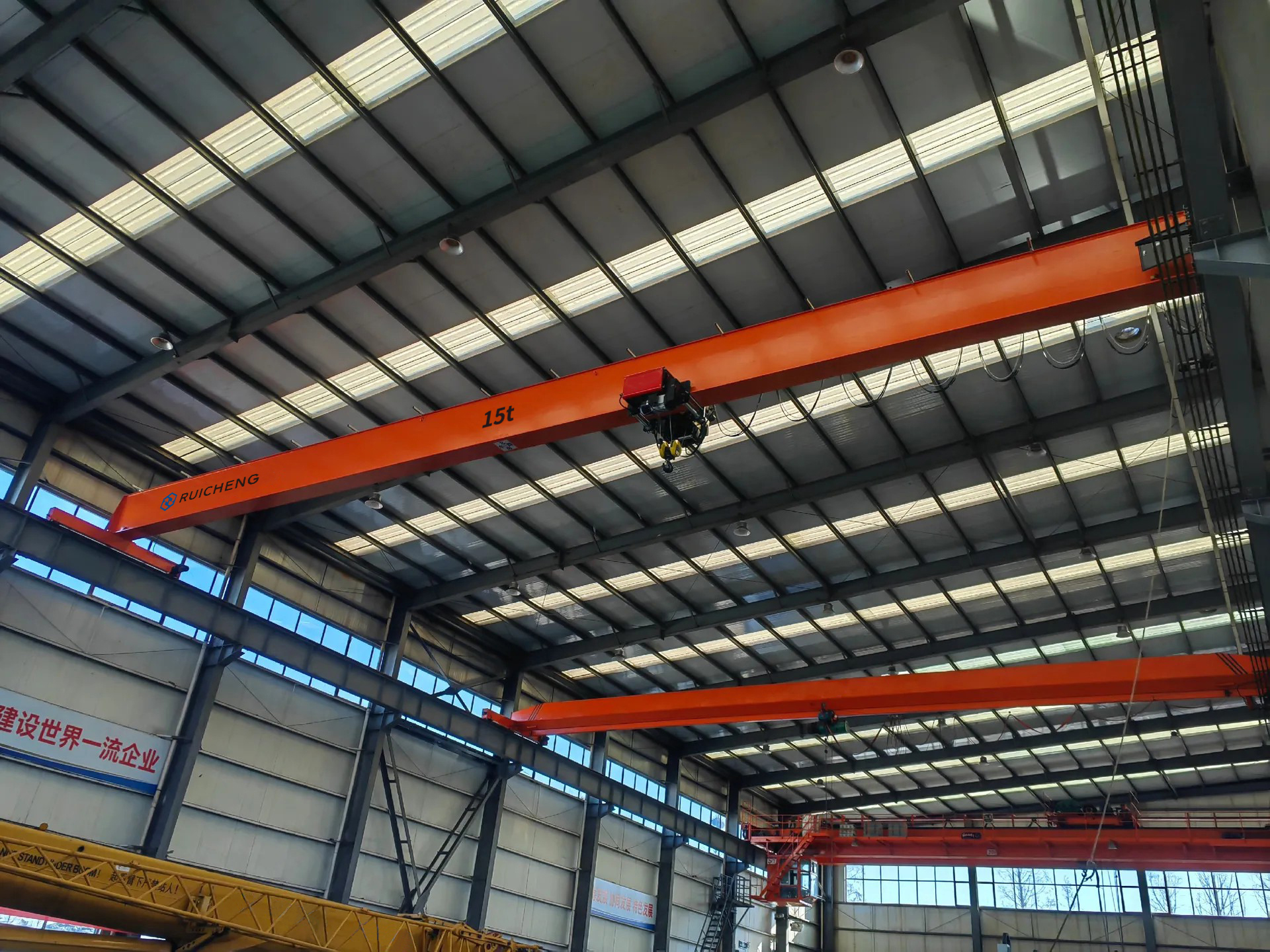
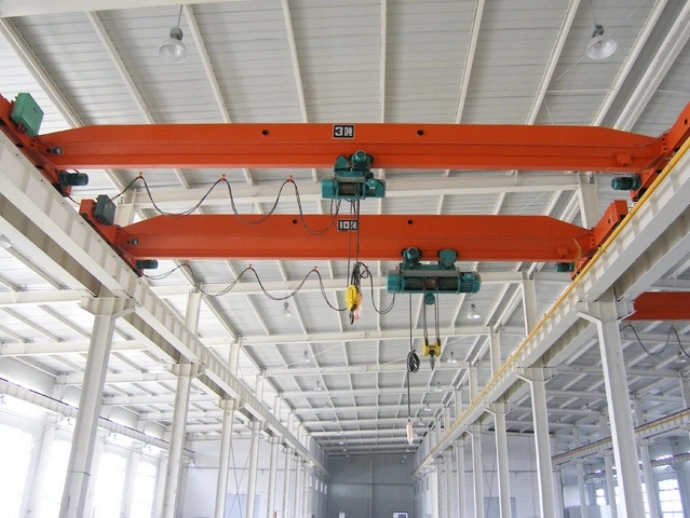
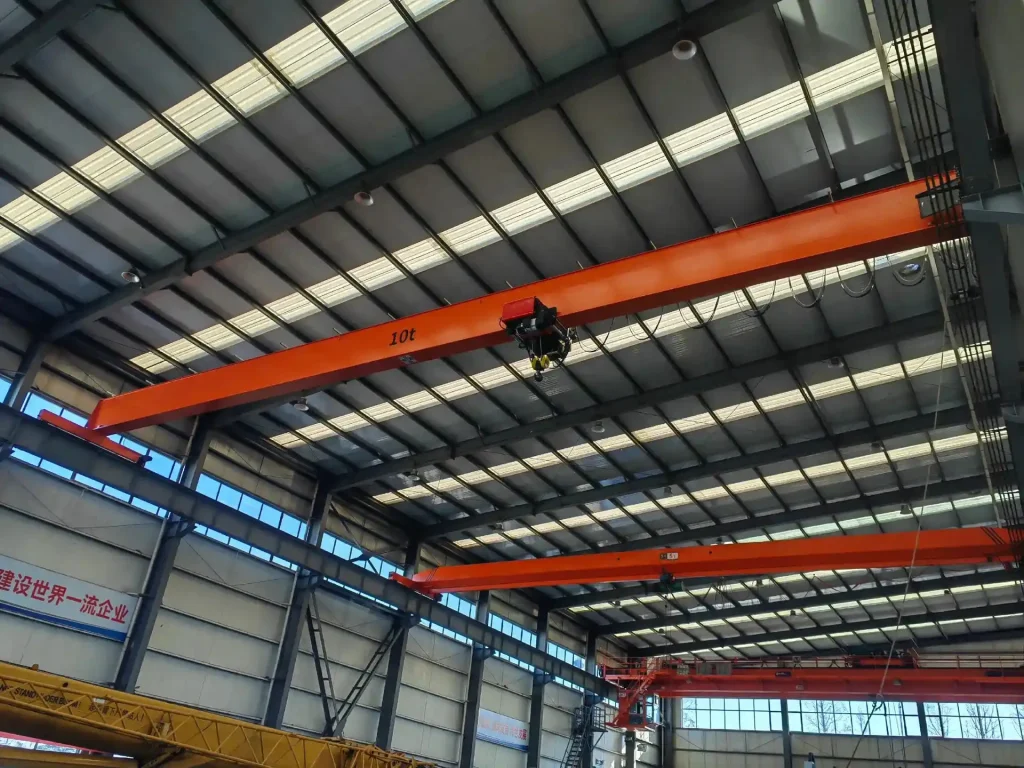
5-ton cranes commonly use single girder design. They are lighter, easier to install, and more cost-effective for low-to-medium frequency lifts.
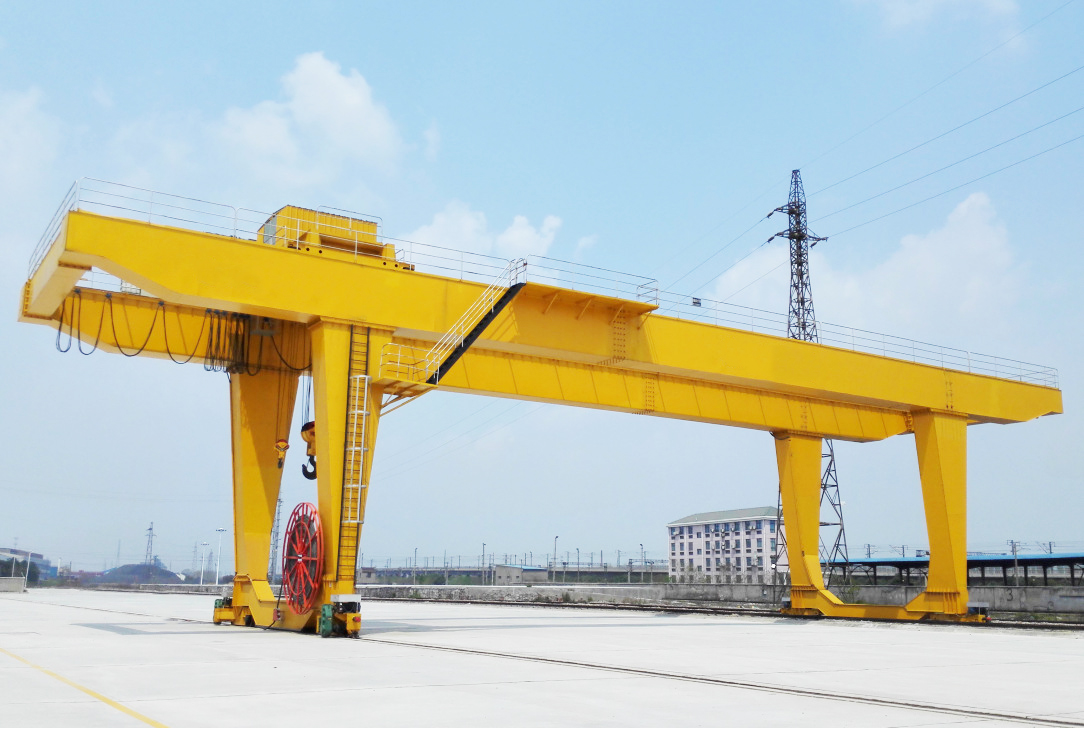
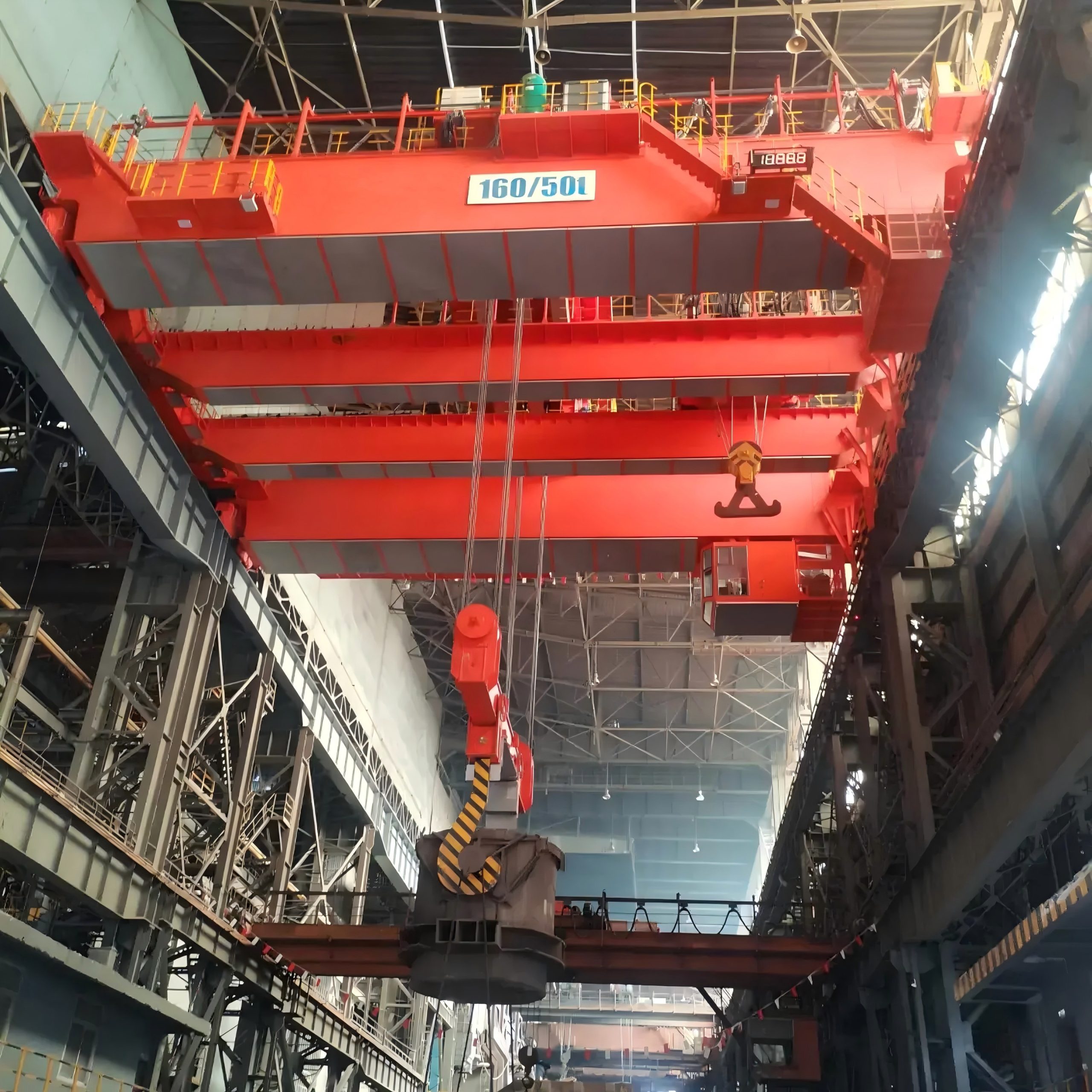
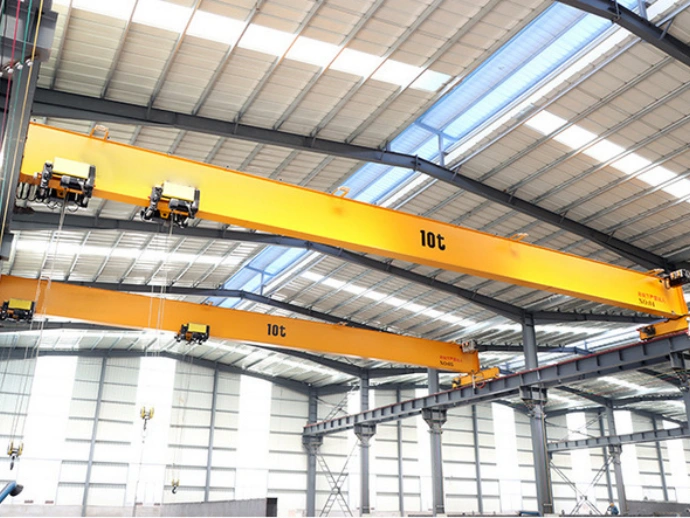
10-ton cranes almost always require double girder construction. This adds structural strength, increases hook height, and supports heavier trolley systems. It also adds to the overall building load requirements.
2. Technical Specifications: Side-by-Side
Here is a direct comparison of the key technical parameters for both crane capacities:
| Specification | 5 Ton Overhead Bridge Crane | 10 Ton Overhead Bridge Crane |
| Lifting Capacity | 5,000 kg | 10,000 kg |
| Span Range | Up to 28 m | Up to 35 m |
| Typical Duty Class | A3–A4 (ISO 4301) | A4–A5 (ISO 4301) |
| Girder Type | Single / Double | Double Girder |
| Hook Height | Up to 18 m | Up to 24 m |
| Power Supply | 3-phase, 380–480V | 3-phase, 380–480V |
Source: ISO 4301 duty classification standard; typical manufacturer specifications.
3. Cost Breakdown: What You’re Actually Paying For
Equipment and Installation
A 5-ton overhead bridge crane typically costs less at purchase. The gap widens when you factor in installation. A 10-ton system often requires structural reinforcement to the building — this alone can add significant project cost beyond the crane itself.
Always request a site survey before budgeting. Building load capacity determines whether you need expensive reinforcement work.
Ongoing Operating Costs
The 10-ton crane consumes more energy per lift cycle. Motors, drives, and brake systems are heavier-duty and require more frequent scheduled maintenance under ISO 9927 inspection guidelines.
A 5-ton crane has a lower maintenance burden in typical light-to-medium production environments. However, if a 5-ton crane is consistently loaded near its maximum, wear accelerates fast.
| Cost Factor | 5 Ton | 10 Ton |
| Equipment Cost | Lower | Higher (~30–50% more) |
| Structural Requirement | Standard bay | Reinforced structure needed |
| Installation Cost | Lower | Higher |
| Annual Maintenance | Lower frequency | More frequent checks |
| Energy Consumption | Lower | Higher motor load |
Note: Cost comparison is relative. Actual figures vary by manufacturer, region, and installation conditions.
4. Which Crane Is Right for Your Application?
The 5-Ton Overhead Bridge Crane: Best Use Cases
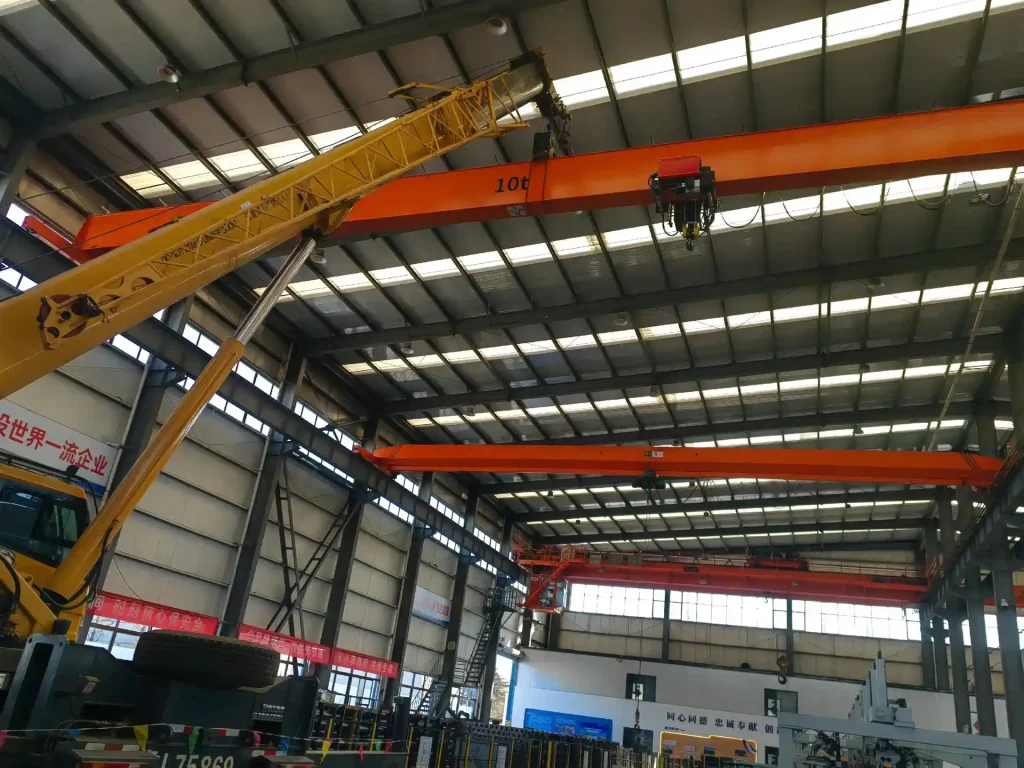
This crane works well in facilities where loads are predictable and rarely approach maximum capacity. Common applications include:
- Automotive parts assembly and transfer
- General warehouse material handling
- Light steel fabrication shops
- Maintenance bays with occasional heavy lifts
If your heaviest regular load is below 4,500 kg
The 10-Ton Overhead Bridge Crane: Best Use Cases
This crane suits facilities with large, heavy, or irregular loads. It provides a safety buffer that protects both equipment and personnel. Typical environments include:
- Steel mills and metal processing plants
- Shipbuilding and offshore fabrication yards
- Heavy machinery manufacturing
- Large precast concrete production
For facilities running multiple shift
| Choose 5 Ton If… | Choose 10 Ton If… |
| Loads rarely exceed 4,500 kg | Regular lifts above 6,000 kg |
| Limited building height | Large-span workshop needed |
| Light to medium production | Heavy manufacturing, steel mills |
| Budget-sensitive project | Long-term operational intensity |
| Automotive parts, warehousing | Shipyards, heavy fabrication |
5. Key Buying Considerations Before You Decide
Do Not Buy Based on Current Load Alone
A common mistake: buyers choose capacity based only on today’s heaviest load. Instead, consider your planned production growth over the next 5–10 years. Upgrading a crane system later is expensive and disruptive.
If your loads are likely to increase, buying the 10-ton crane now often makes better financial sense over the equipment lifespan.
Check Your Building Structure First
The building must support the crane runway rail loads. For a 10-ton double girder crane, end beam reactions and wheel loads are significantly higher. Engaging a structural engineer before procurement avoids costly surprises.
Confirm Compliance Requirements
Depending on your region and industry, cranes must meet specific standards. Key standards include:
- FEM 1.001 or ISO 4301 for duty classification
- CE marking for European markets
- ASME B30.2 for North American applications
- OSHA 1910.179 for workplace safety compliance in the US
A reputable overhead bridge crane supplier will provide full documentation and test certificates.
6. Ready to Make Your Decision?
Both 5-ton and 10-ton overhead bridge cranes serve important roles in industrial operations. The right choice depends on your load profile, facility structure, operational frequency, and long-term production goals.
If you’re still unsure which capacity fits your project, the best next step is to request a technical consultation. A qualified crane supplier should assess your facility, review your lift requirements, and recommend the correct duty class and configuration — before you commit to a purchase.
Request a Quote: Contact our team to get a customized overhead bridge crane specification and pricing based on your actual requirements.
Download Spec Sheet: Compare full technical parameters for our 5-ton and 10-ton overhead bridge crane models.
Talk to an Engineer: Our crane specialists are available for free technical consultations. No commitment required.
FAQ: Overhead Bridge Crane — 5 Ton vs. 10 Ton
Generally, no. A 5-ton crane is designed with a specific structural frame, girder size, and motor capacity. Upgrading to 10-ton requires replacing most major components — effectively buying a new crane. It is more cost-effective to purchase the correct capacity from the start.
For a standard manufacturing environment with 2 shifts and moderate lift frequency, A4 (ISO 4301) is typically appropriate. For continuous production or high-cycle operations like steel processing, specify A5 or A6. Always confirm the actual number of lift cycles per hour with your operations team before specifying.
A 5-ton single girder crane in a prepared facility can typically be installed in 3–5 days. A 10-ton double girder system usually requires 7–14 days, depending on span length, hook height, and any required runway beam installation. Add time if structural upgrades are needed.
At minimum, require: CE marking (for EU markets), ISO 9001 quality management certification, and crane-specific test certificates. For ASME markets, confirm CMAA or ASME B30.2 compliance. Always ask for the factory acceptance test (FAT) report and load test documentation.
Not necessarily. If a 10-ton crane is running at 50–60% capacity most of the time, its wear rate may be similar to a 5-ton crane operating near full capacity. Operating cost depends more on actual load cycles and duty class than rated capacity alone. Proper crane selection — matching duty class to actual usage — is what controls long-term operating cost.
Leave Message
Thank you for your interest in Ruicheng! Please fill out the form below and provide as much detail as possible, so we can better assist you.