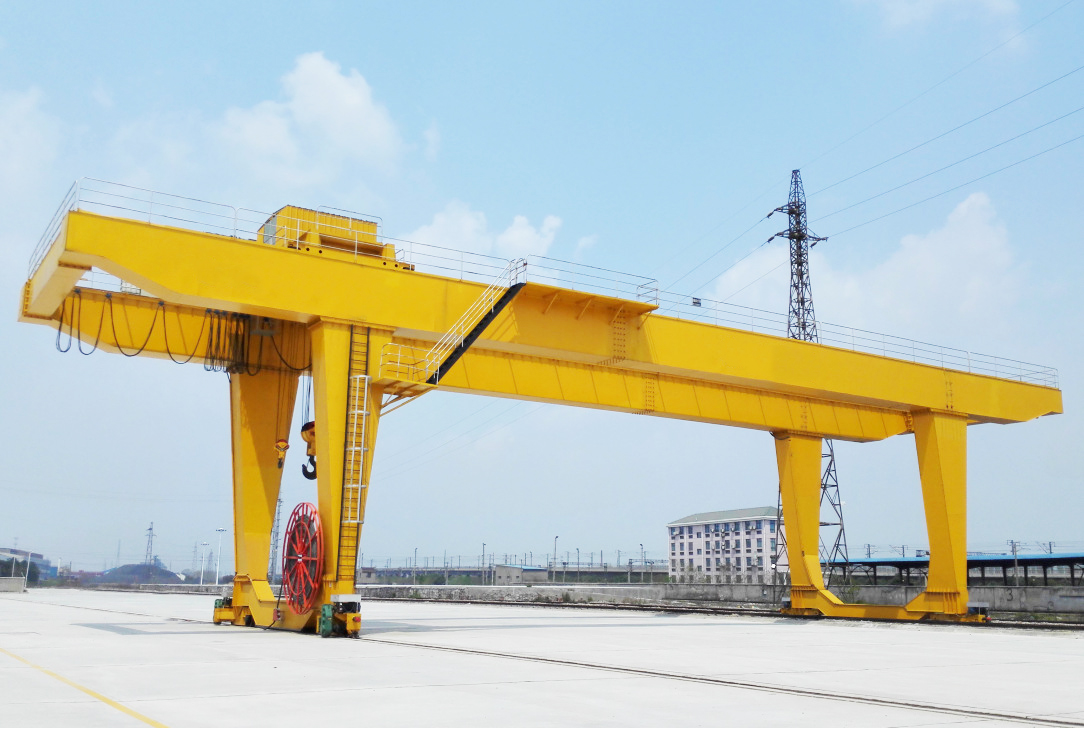
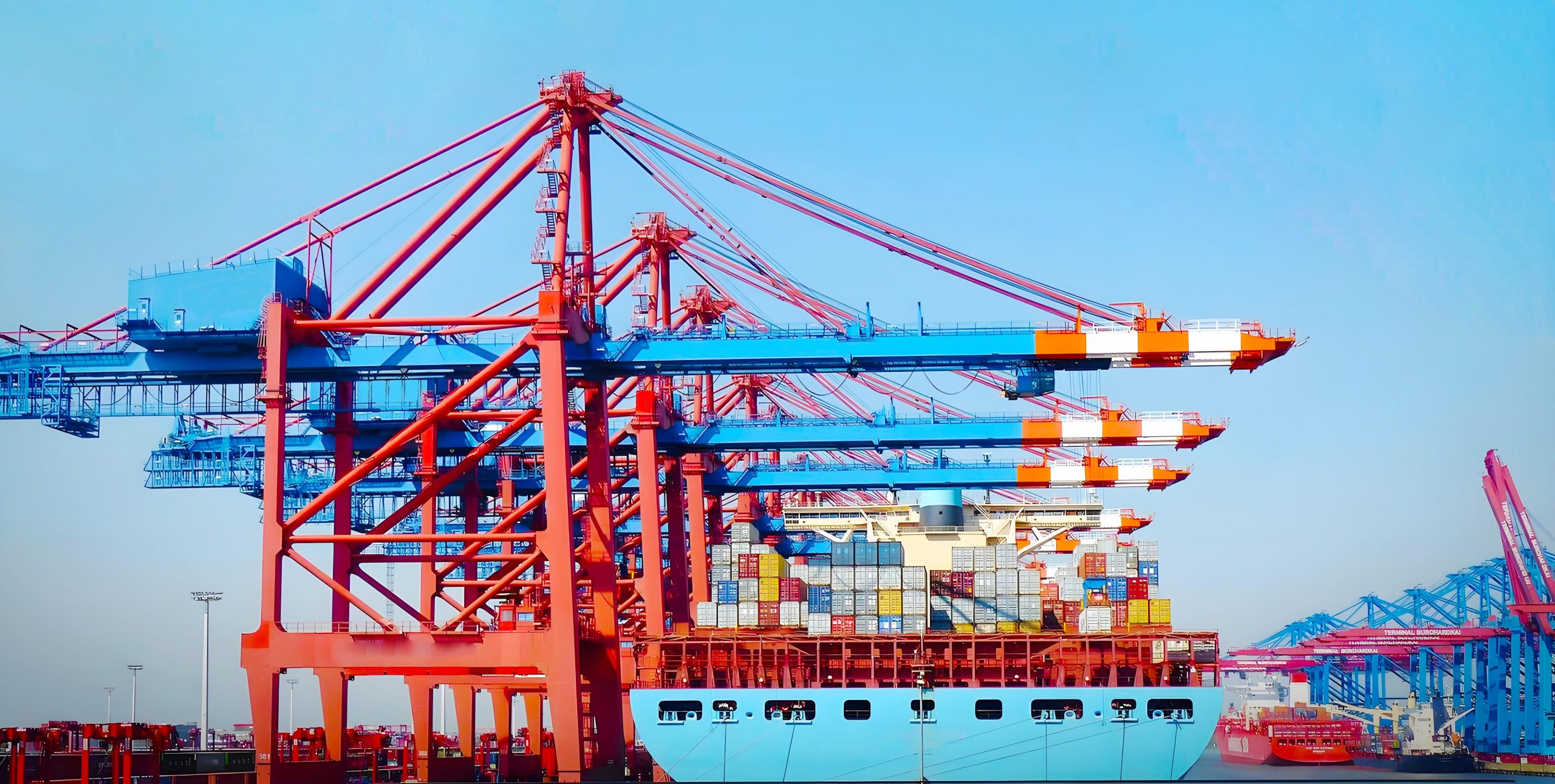
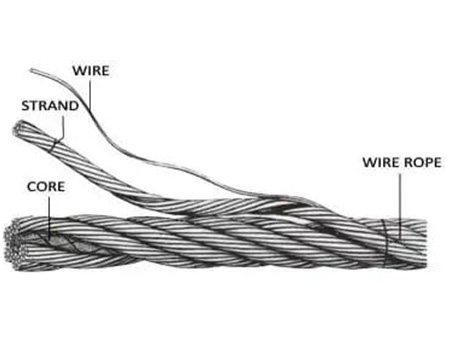
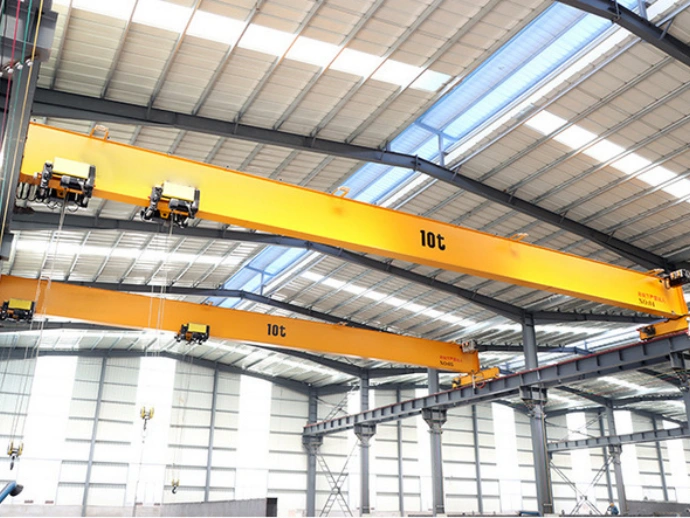
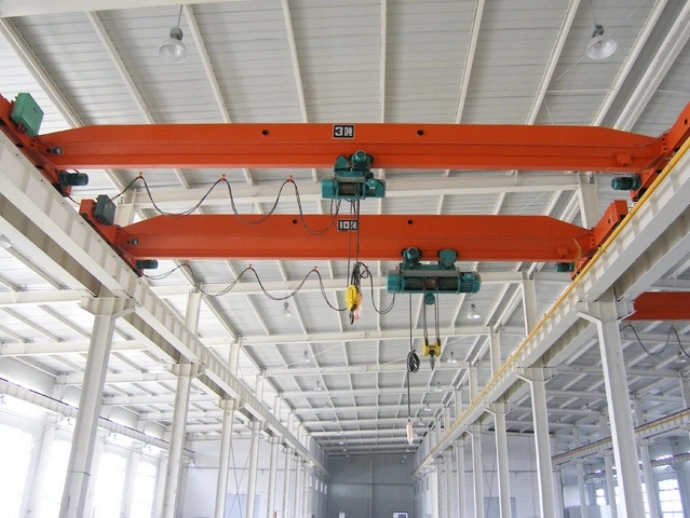
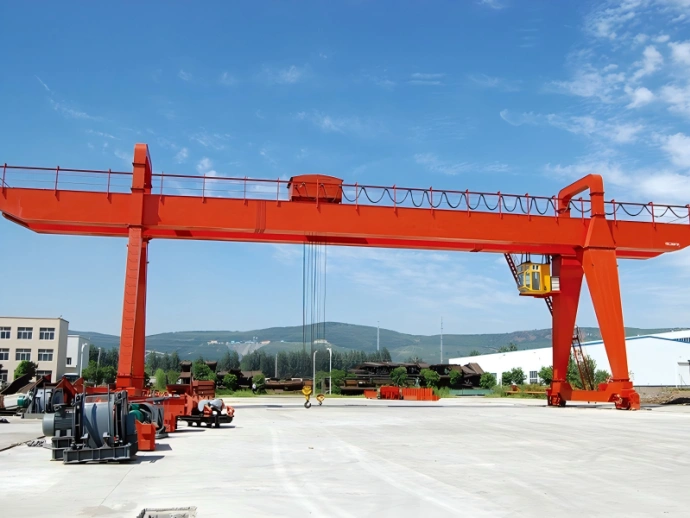
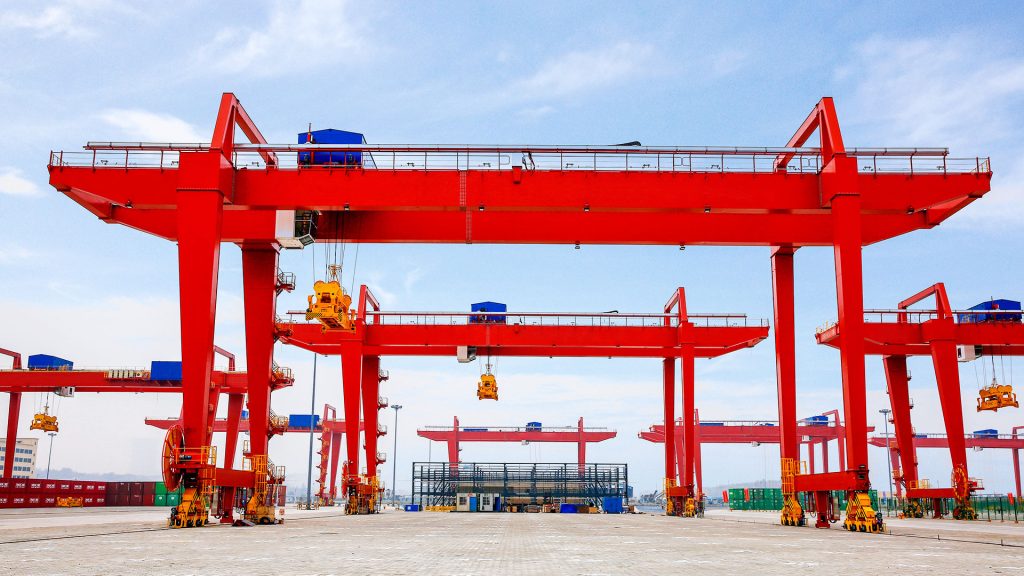
The load monitoring system for container gantry cranes is a core component ensuring equipment safety. Its accuracy directly impacts the safety and reliability of lifting operations. To achieve long-term, precise system operation, systematic design and coordinated optimization across four aspects are required: hardware selection, installation and calibration, data processing, and maintenance management.
1.Selection of High-Precision Sensors and Redundant Configuration
The hardware foundation of the load monitoring system is the sensors. Their performance and configuration directly determine the reliability of the monitoring results.
•Weighing Sensor Selection
Strain gauge or piezoelectric sensors with high stability and precision should be prioritized. The measurement range should cover 120%-150% of the crane’s rated load, ensuring accurate measurement without damage during shock loads or occasional overloads.
For instance, after a port project adopted sensors with 0.02% precision, the system’s load measurement error significantly decreased from ±1% to ±0.2%, greatly enhancing operational safety.
•Redundant Design Enhances Reliability
Install one sensor at each corner of the spreader. Use a “four-corner balancing algorithm” to calculate the total load in real-time and identify off-center load conditions. This design not only improves measurement accuracy but also provides fault tolerance.
Test data shows that if a single sensor fails, the system can maintain a measurement accuracy of ±0.5% through data fusion from the remaining three sensors, ensuring operational continuity.
•Enhanced Environmental Adaptability
Port environments are often humid, saline, and subject to large temperature variations. Sensors must have an IP68 protection rating and built-in temperature compensation modules to operate within a range of -20℃ to 60℃.
For example, a coastal terminal selected sensors with anti-salt spray coating, extending their service life from the typical 3 years to over 5 years in harsh marine climates.
2. Precise Installation and Dynamic Calibration
•Mechanical Installation Standards
The flatness of the sensor mounting surface must be ≤0.1mm. All fastening bolts must be tightened to the specified torque using a torque wrench to ensure even force distribution.
In one project, an uneven mounting surface caused sensor output signal fluctuations of up to ±5%. After re-milling the mounting base and following proper tightening procedures, the signal stabilized immediately.
•Initial Calibration Establishes Baseline
Use certified standard weights to perform three-point calibration (no-load, half-load, full-load), establishing a linear relationship model between the sensor output voltage and the load.
Through precise calibration in one project, the system achieved a linear correlation coefficient of 0.999 within the 0-32 ton load range, laying the foundation for high-precision measurement.
•Real-Time Dynamic Operation Compensation
Gantry cranes generate vibration and acceleration during travel, starting, and braking, affecting static calibration accuracy. By installing high-response accelerometers to collect vibration data during operation and establishing a dynamic compensation model in the PLC or a dedicated processor, errors caused by inertial forces can be effectively offset.
After implementation in one project, the load measurement error during high-speed operation was reduced from ±1.5% to ±0.8%.
3. Real-Time Data Processing and Safety Interlocking
Reliable data processing mechanisms and rapid safety responses are the “brain” and “nerves” of the system.
•High-Speed Sampling and Intelligent Filtering
The system sampling frequency should be no less than 100Hz to capture dynamic load changes. Advanced algorithms like Kalman filtering are used to process raw data, effectively suppressing interference from mechanical vibration and electrical noise.
Practical applications show that after filtering, the fluctuation range of load data is significantly reduced from ±0.5 tons to within ±0.1 tons.
•Tiered Warning and Safety Interlocking
Set multi-level safety thresholds: typically, 90% of the rated load as a warning line to alert the operator; 105% as a secondary alarm, automatically reducing operational speed; and 110% as an emergency stop line, where the system immediately cuts off hoisting power and triggers audible/visual alarms.
All alarm signals are transmitted in real-time to the operator’s cab and the remote monitoring center.
•Data Recording and Traceability
The system continuously records the load-time curve for each lift and stores data from the most recent 1000 operations. Data can be queried and exported based on various conditions such as time, container number, and load exceedance, providing a complete basis for operation analysis, incident investigation, and preventive maintenance.
4. Periodic Maintenance and Intelligent Diagnostics
The long-term stability of the system relies on proactive maintenance management and intelligent fault diagnosis methods.
•Periodic Health Checks for Sensors
Monthly, use a portable standard signal source to simulate loading and check the consistency and linearity of each sensor’s output. Annually, perform an on-site calibration using physical weights to verify the overall system accuracy, ensuring monitoring data remains reliable.
•Wiring and Anti-Interference Measures
Use shielded twisted-pair cables for all sensor signal lines, installed separately in metal conduits, maintaining sufficient distance from power cables to fundamentally prevent electromagnetic interference. Junction boxes and terminal blocks require regular inspection to prevent signal abnormalities caused by moisture or looseness.
•Remote Monitoring and Diagnostics
Transmit key system status parameters (e.g., sensor temperature, output voltage, power status) to a cloud platform or remote monitoring center via 4G/5G or industrial Ethernet. Maintenance engineers can remotely view system health status and receive timely anomaly alerts, enabling a shift from “periodic maintenance” to “predictive maintenance,” significantly improving maintenance efficiency and system availability.
Through meticulous management and technological innovation in the above four areas, the container gantry crane load monitoring system can achieve continuous, stable, and high-precision operation, becoming an indispensable and solid guarantee for safe port production.