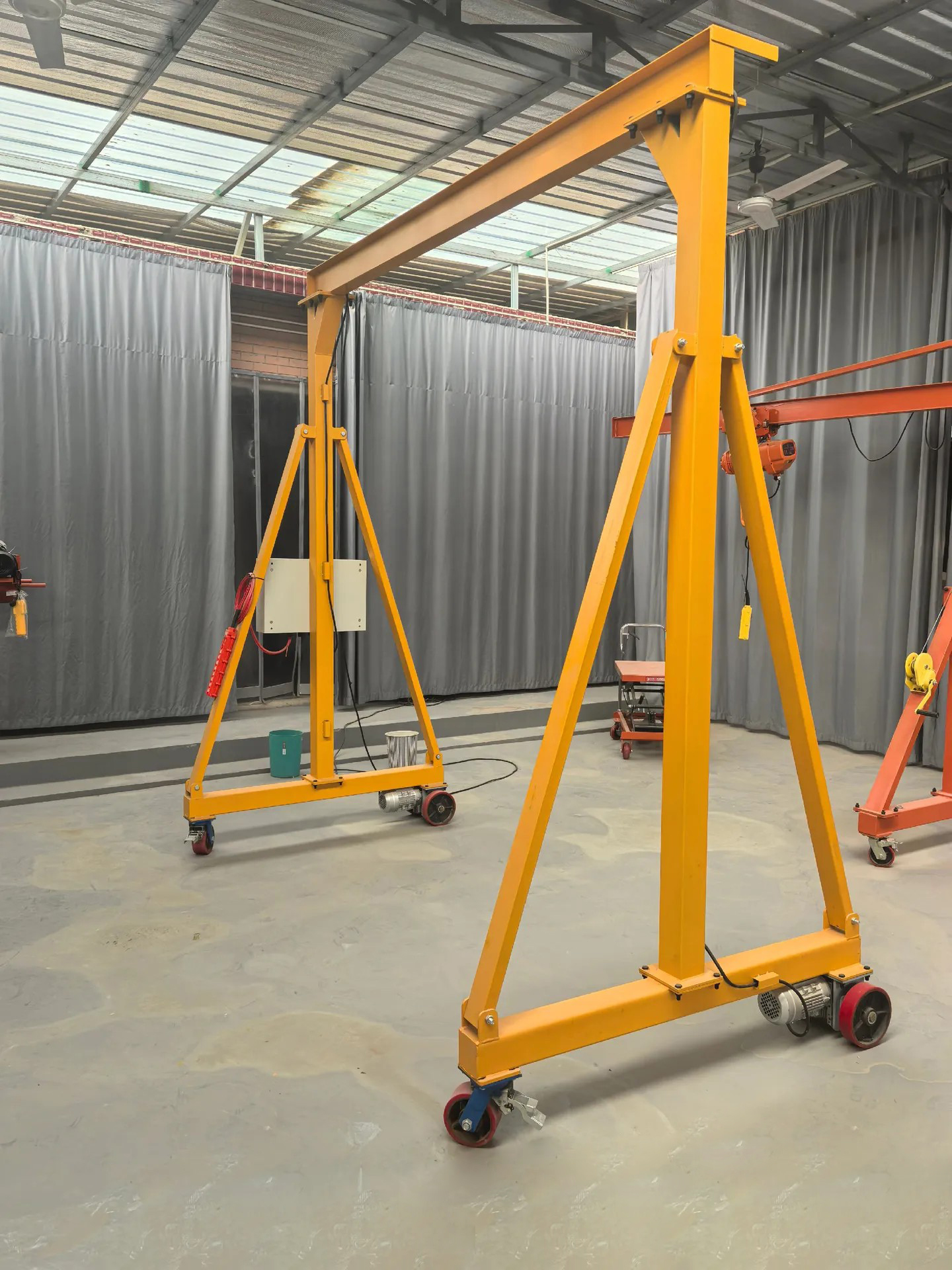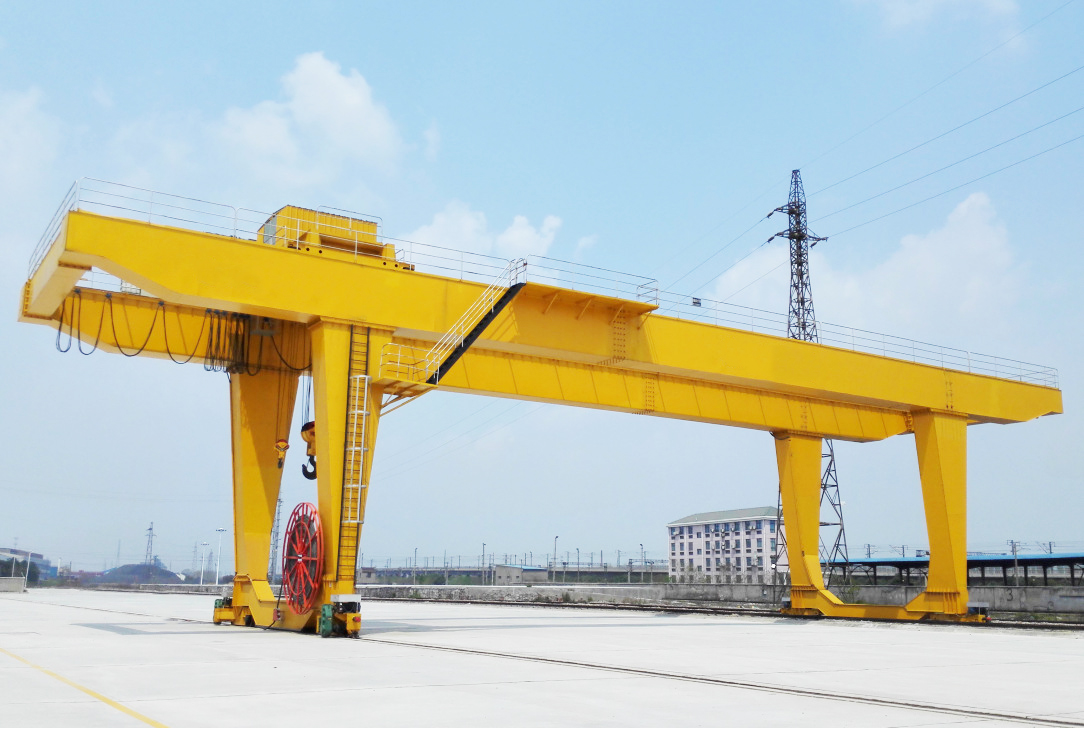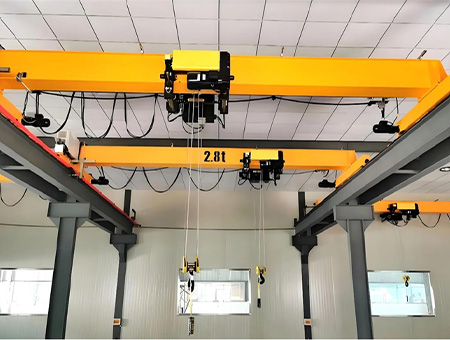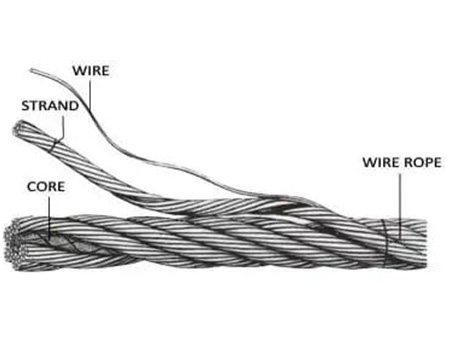
The performance debugging of European-style cranes is a comprehensive engineering process involving the synergistic optimization of mechanical, electrical, and control systems. Through systematic adjustment and calibration, a balance between power efficiency, structural stability, and operational precision can be achieved. This enables the equipment to adapt to diverse heavy-load working conditions and ensures long-term reliable operation.
Debugging of the drive unit must be conducted based on the crane’s load characteristics. The focus lies in optimizing the motor’s torque-frequency curve to ensure smooth, constant torque output even under low-speed, heavy-load conditions. During the debugging process, an oscilloscope should be used to monitor the motor current waveform, allowing for the timely identification and elimination of harmonic vibrations and abnormal heating caused by parameter mismatches. This enhances the drive system’s response efficiency and durability.
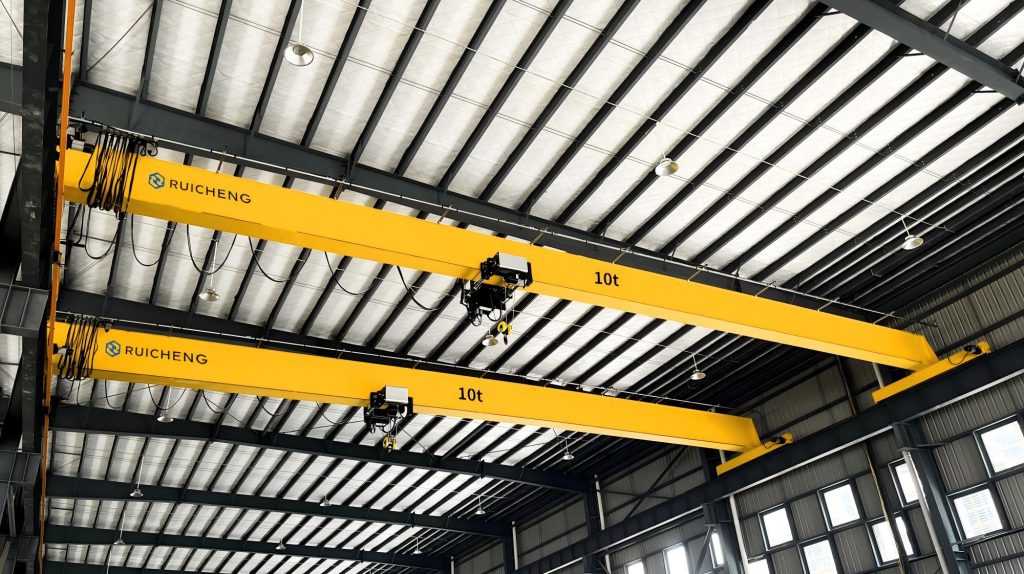
Optimizing structural stiffness is crucial for ensuring the safe and stable operation of the crane. By installing strain gauges at key locations such as the mid-span of the main girder, the structural stress state can be monitored in real time. Debugging personnel must dynamically adjust the preload at the end carriage connections based on the feedback data, ensuring that the deflection change of the main girder under full load tends towards a linear distribution. This process effectively avoids local stress concentrations, reduces structural fatigue damage, and significantly extends the crane’s service life.
The precision of the synchronous control system directly impacts the efficiency and safety of multi-mechanism collaboration. High-precision encoders for the hoisting and trolley travel mechanisms require unified calibration to establish a relative coordinate system, enabling millisecond-level data exchange via CAN bus. When the system detects that multi-axis displacement deviation exceeds the set threshold, the controller must intervene promptly to automatically correct the output pulse frequency. This ensures that the horizontal attitude error of the lifted load during dual-hook coordinated operation remains within the permissible range, thereby achieving precise and stable handling operations.