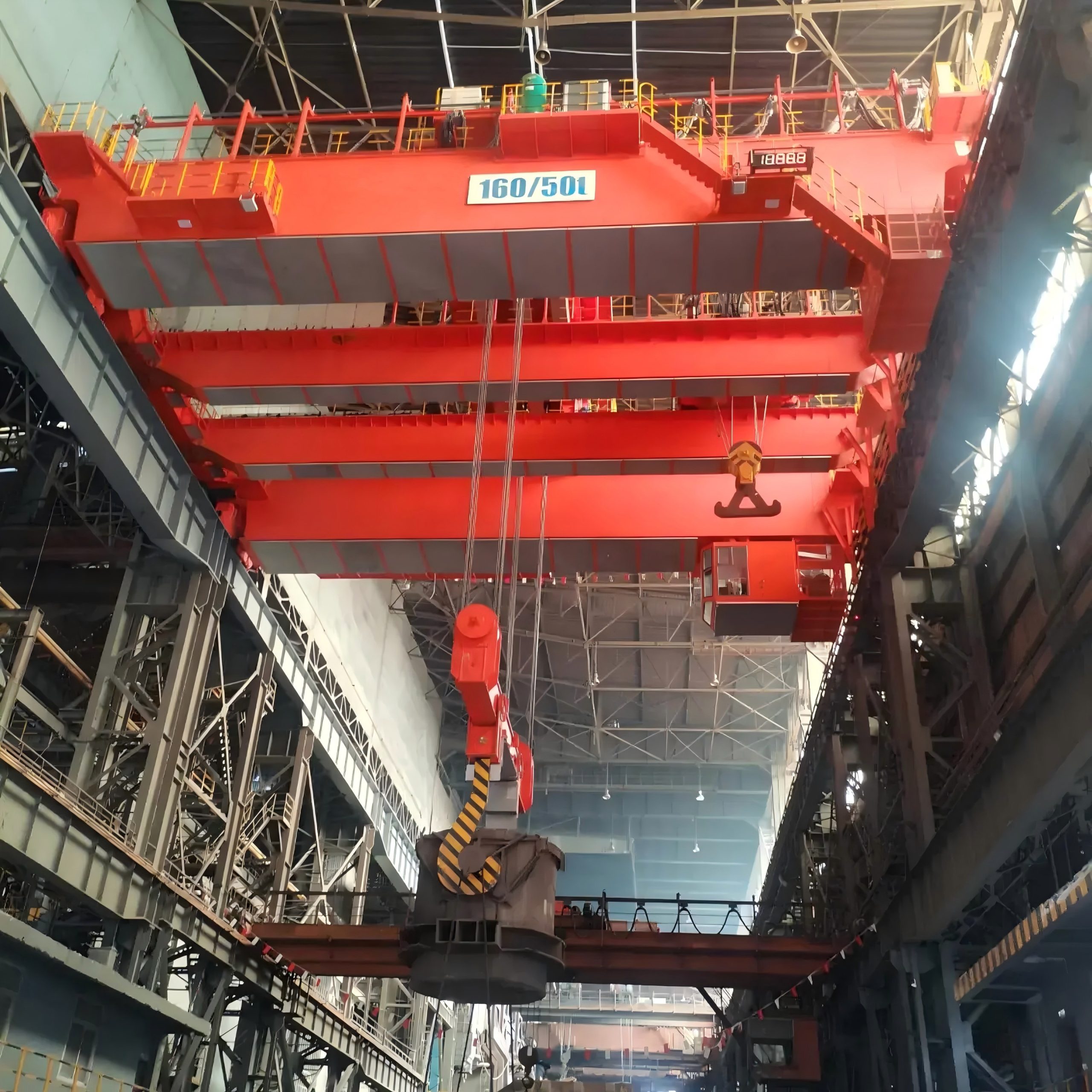
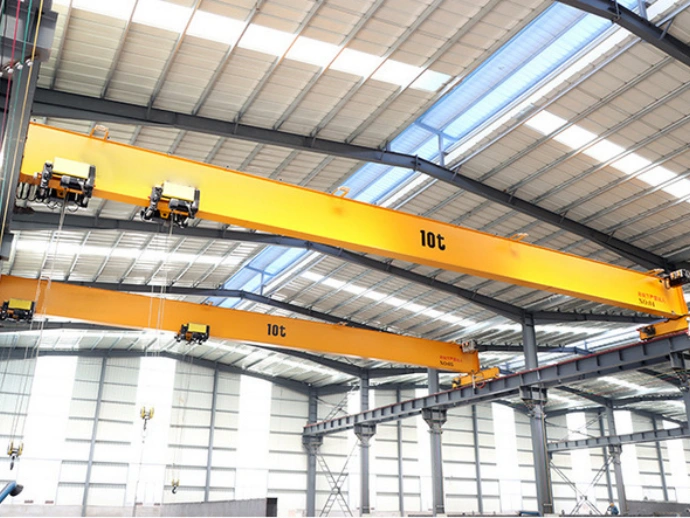
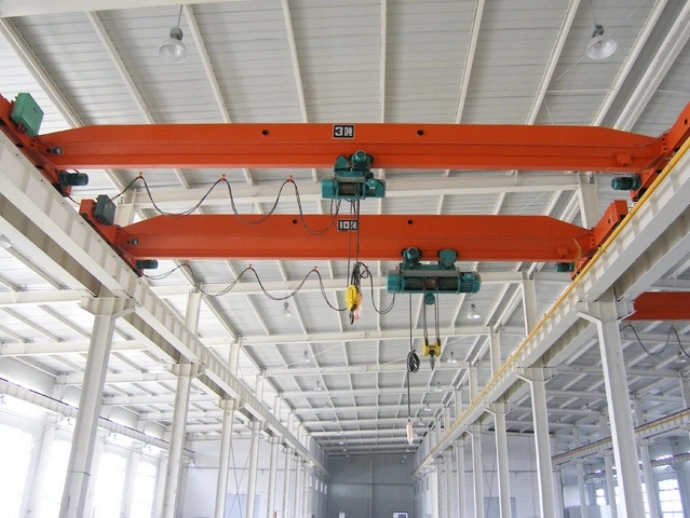
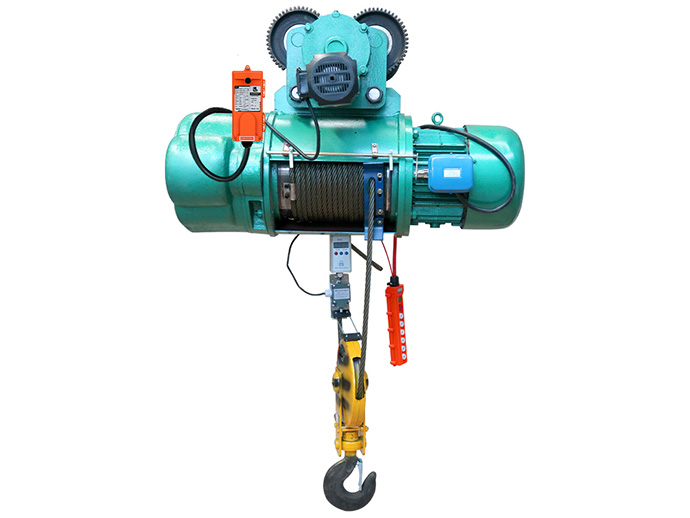
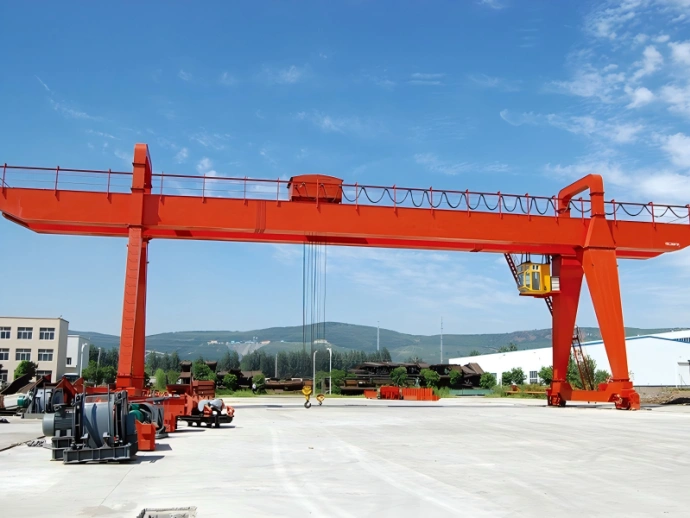
Side pulling and angular lifting are severe violations in crane operations, leading to abnormal stress on wire ropes, structural deformation, motor overload, and accelerated rail wear. These practices significantly increase the risk of load drops, equipment damage, and personal injury. A multi-layered, comprehensive approach is essential to mitigate these risks.
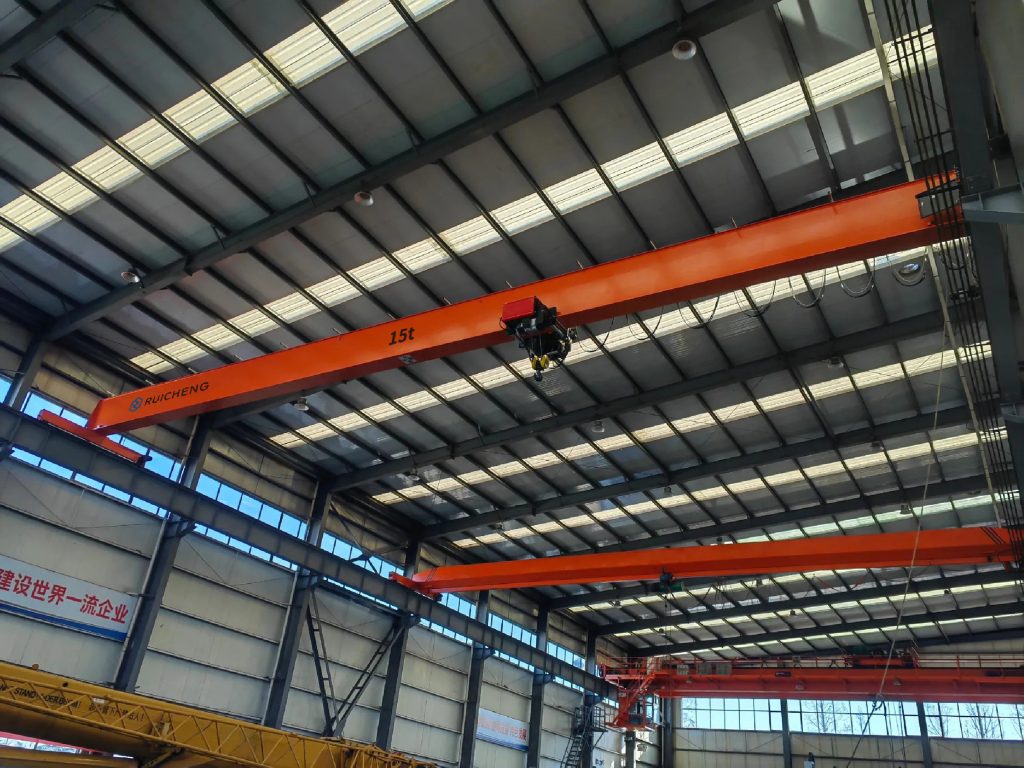
I. Systematic Preparation and Inspection Before Operation
Core Principle: Eliminate root causes, ensure equipment and plan reliability.
1.Precise Lifting Plan Development:
- Accurate Calculation & Verification:Precisely calculate or verify the load’s weight, center of gravity, dimensions, and lifting points. For irregular or off-center loads, use specialized lifting gear or aids (e.g., spreader beams) to ensure stability.
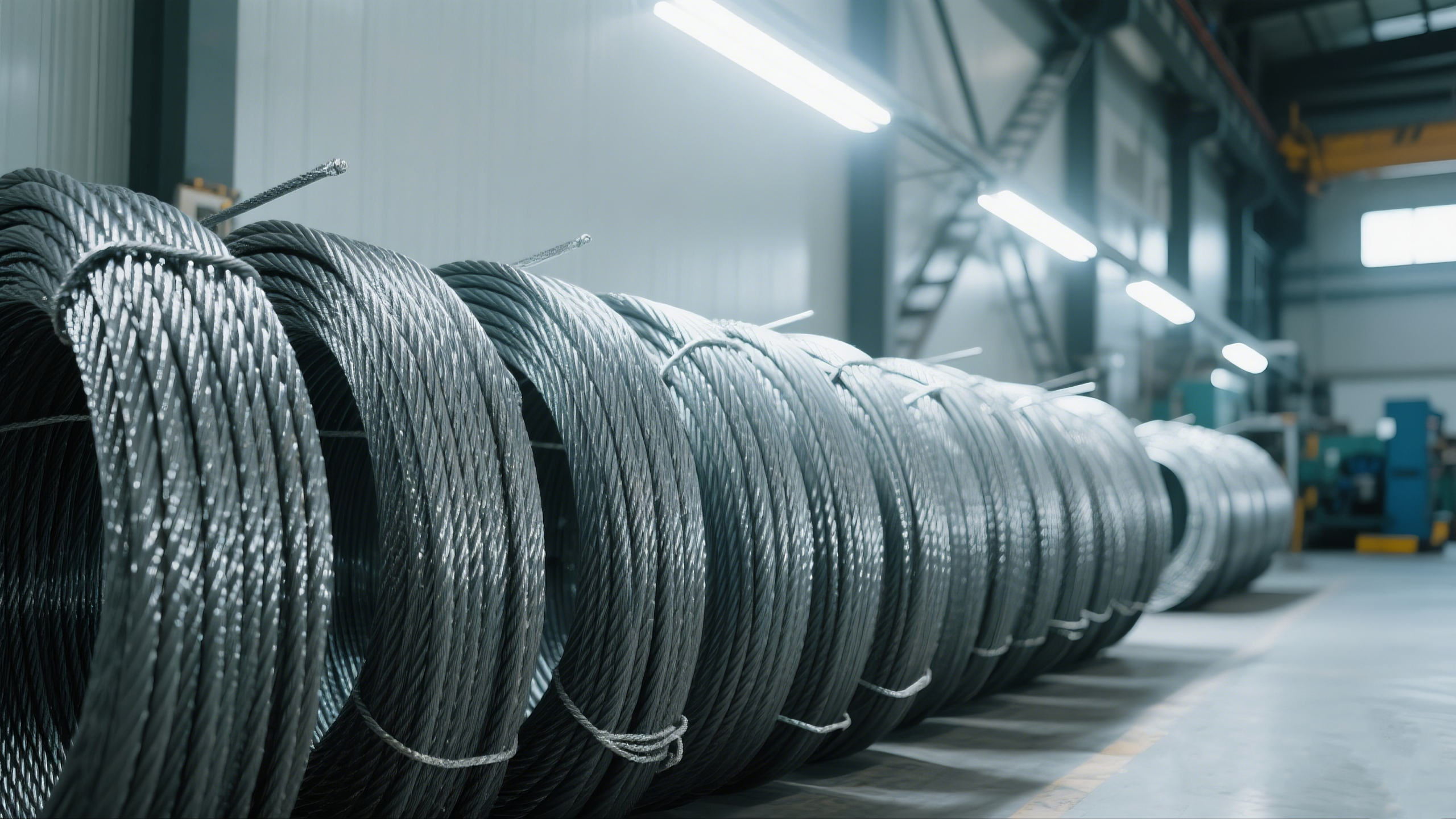
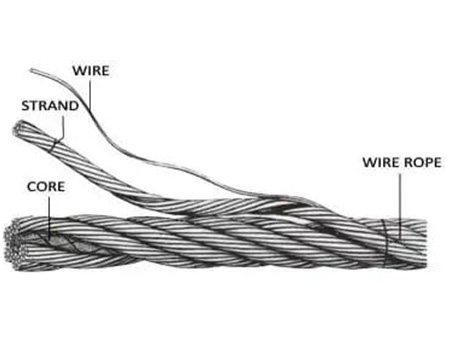
- Proper Rigging Selection:Choose appropriate slings (wire rope, lifting belts, chains) based on load characteristics (weight, edge sharpness, surface). Verify their rated capacity, safety tags, and integrity. Never use worn, deformed, or condemned rigging.
2.Comprehensive Equipment & Environment Check:
- Equipment Pre-Operation Inspection:Conduct a pre-operation check focusing on: hoist brake responsiveness and reliability; wire rope condition for breaks or kinks; proper function of all limit switches (upper hoist limit, travel end); rail condition for deformation, looseness, or excessive wear; proper wheel-to-rail contact.
- Environment Assessment:Clear all obstacles from the work area and planned travel path. Ensure adequate working space and lighting. Evaluate wind conditions; suspend outdoor operations in high winds (typically above Force 6).
II. Standardized Operating Procedures and Precise Control During Operation
Core Principle: Maintain vertical, stable load movement; prohibit improper manual actions.
1.Vertical Control During Hoisting:
- “Inching” for Test Lift:Use the “inching” mode to hoist slowly, allowing the slings to tension gradually. Observe if the load lifts off the ground levelly and steadily. Stop immediately and lower to readjust if any tilt occurs. Never continue hoisting or traveling with an unbalanced load.
- Prohibit Dragging:Absolutely prohibit using the crane hook or bridge/trolley motion to drag a load along the ground. This is a classic example of side pulling with extreme potential for equipment damage.
2.Travel Path Management:
- Smooth Travel & Centering:Keep the load centered under the bridge girder during travel. Lower the load to a safe minimum height to reduce swing. Adjust the load’s horizontal position by coordinating bridge and trolley movements, not by swinging or pulling the load sideways.
- Proper Turning Procedure:To reorient a load, perform the action at a safe height with the load stationary, using the rotation mechanism (if equipped) or tag lines. Never induce swing through abrupt start-stop motions to change direction.
III. Collaborative Worksite Management and Effective Communication
Core Principle: Ensure clear communication and a controlled environment to minimize external interference.
1.Standardized Signal Communication:
- Dedicated Signaler:Designate only certified personnel as signalers. Use uniform, clear signals (hand, flag, or radio). The operator must take instructions from one signaler only.
- Signal Confirmation:For critical moves, the operator should confirm the instruction with the signaler. Use reliable communication devices like radios when vision is obstructed or over long distances.
2.Work Area Isolation and Supervision:
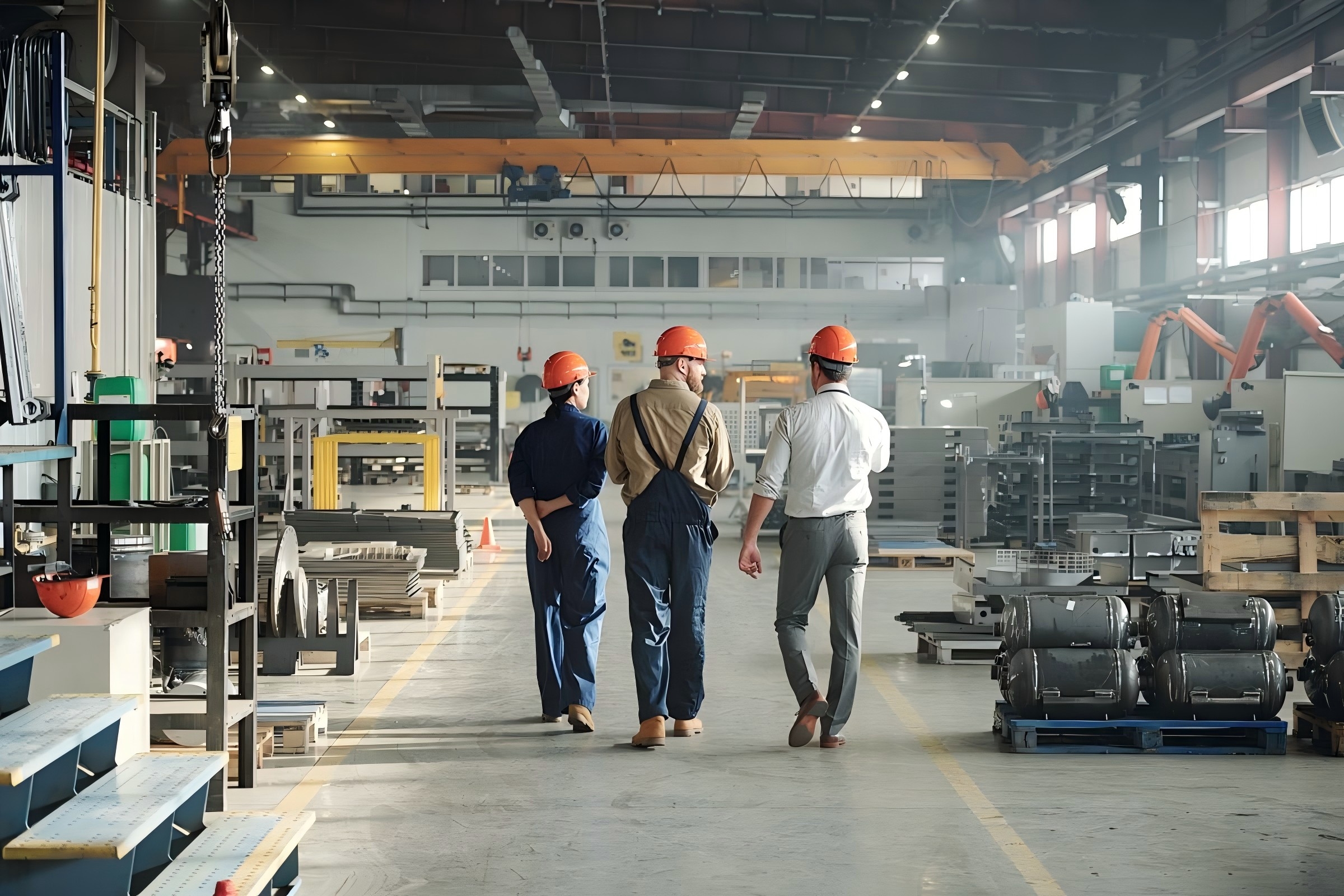
- Establish Exclusion Zones:Clearly mark exclusion zones under the load path and landing area to prevent unauthorized entry.
- Process Monitoring:Assign spotters to observe load movement and surrounding areas, providing warnings for potential collisions or obstructions.
IV. Equipment Technology Enhancement and Safety Protection
Core Principle: Implement technical measures for both passive and active safety barriers.
1.Utilization and Maintenance of Safety Devices:
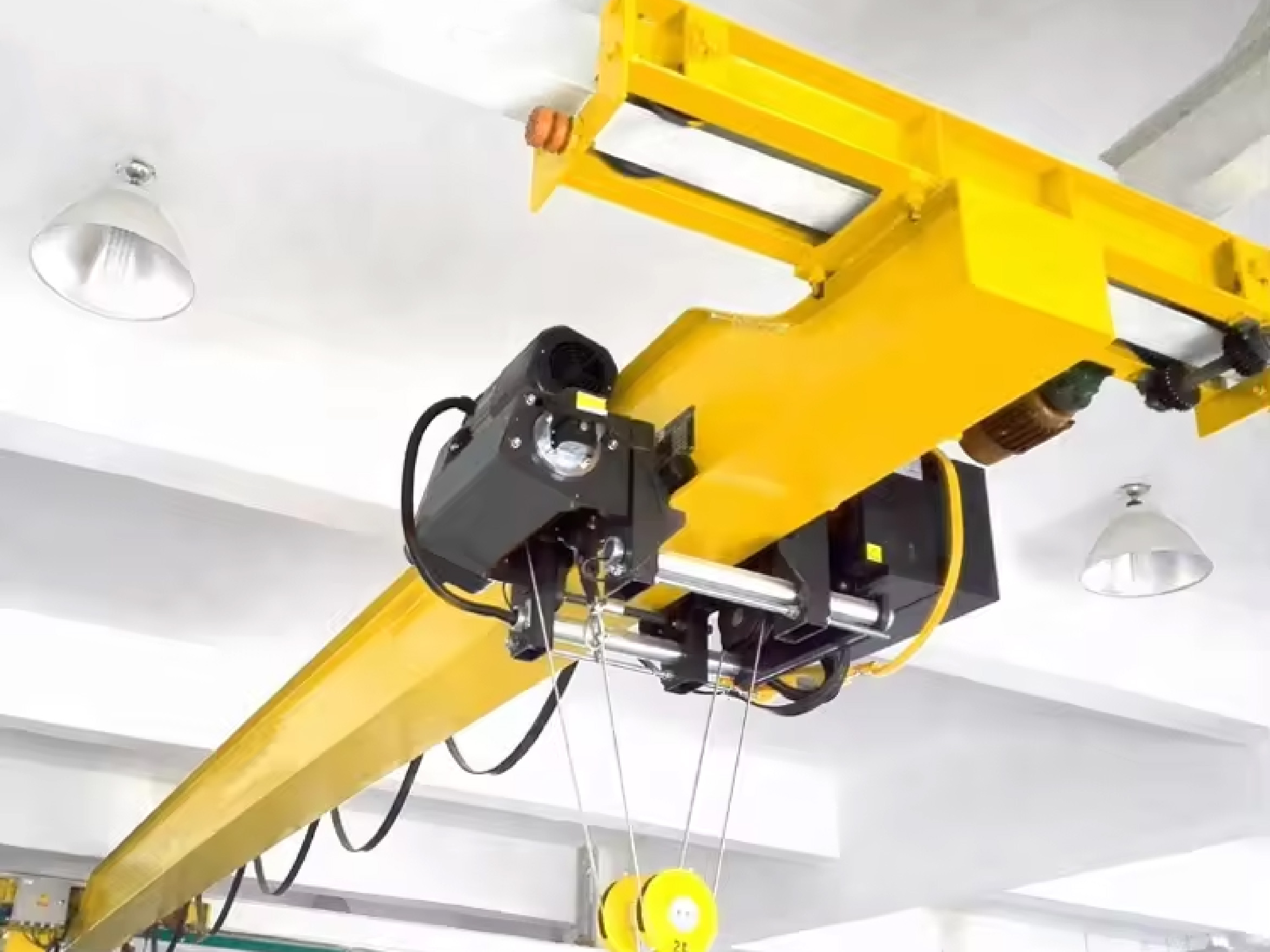
- Limit Protections:Ensure all safety devices—upper limit switch, travel limit switch, overload limiter (if equipped)—are functional and tested regularly. An overload limiter is crucial for preventing risks associated with overloading.
- Condition Monitoring:Explore installing smart systems for real-time wire rope monitoring or rail alignment detection to enable predictive maintenance.
2.Proactive Application of Advanced Features:
- Anti-Sway Systems:Actively employ electronic anti-sway control systems. By automatically calculating and adjusting bridge/trolley acceleration and deceleration, these systems effectively suppress load swing induced by start/stop motions, significantly reducing the risk of side pulls or collisions caused by swinging, and are key for precise, efficient handling.
V. Personnel Competency Development and Emergency Response
Core Principle: Empower personnel as the most reliable safety factor and enable effective incident management.
1.Structured Training and Assessment:
- Theory & Practice Combined: Operators and signalers must undergo rigorous specialized training covering equipment principles, operating procedures, case studies on hazards of side pulling/angular lifting, basic mechanics (understanding center of gravity and stability), and hands-on simulation.
- Regular Refresher Training & Evaluation: Conduct periodic safety refreshers and skill re-training. Use practical evaluations to test competency in handling complex scenarios (e.g., irregular loads).
2.Clear Emergency Procedures:
- The “Stop-Slow-Lower-Adjust” Protocol:If severe load tilt, snagging, or uncontrolled swing is detected during operation, the operator must immediately: STOP all motion → Attempt to regain control SLOWLY → LOWER the load safely to the ground or a risk-free area → INSPECT and ADJUST the rigging. Panicked maneuvers or forced movements are strictly prohibited.
- Incident Reporting & Review:Establish a reporting system for all abnormalities and near-misses. Perform root cause analysis to update and improve preventive measures.
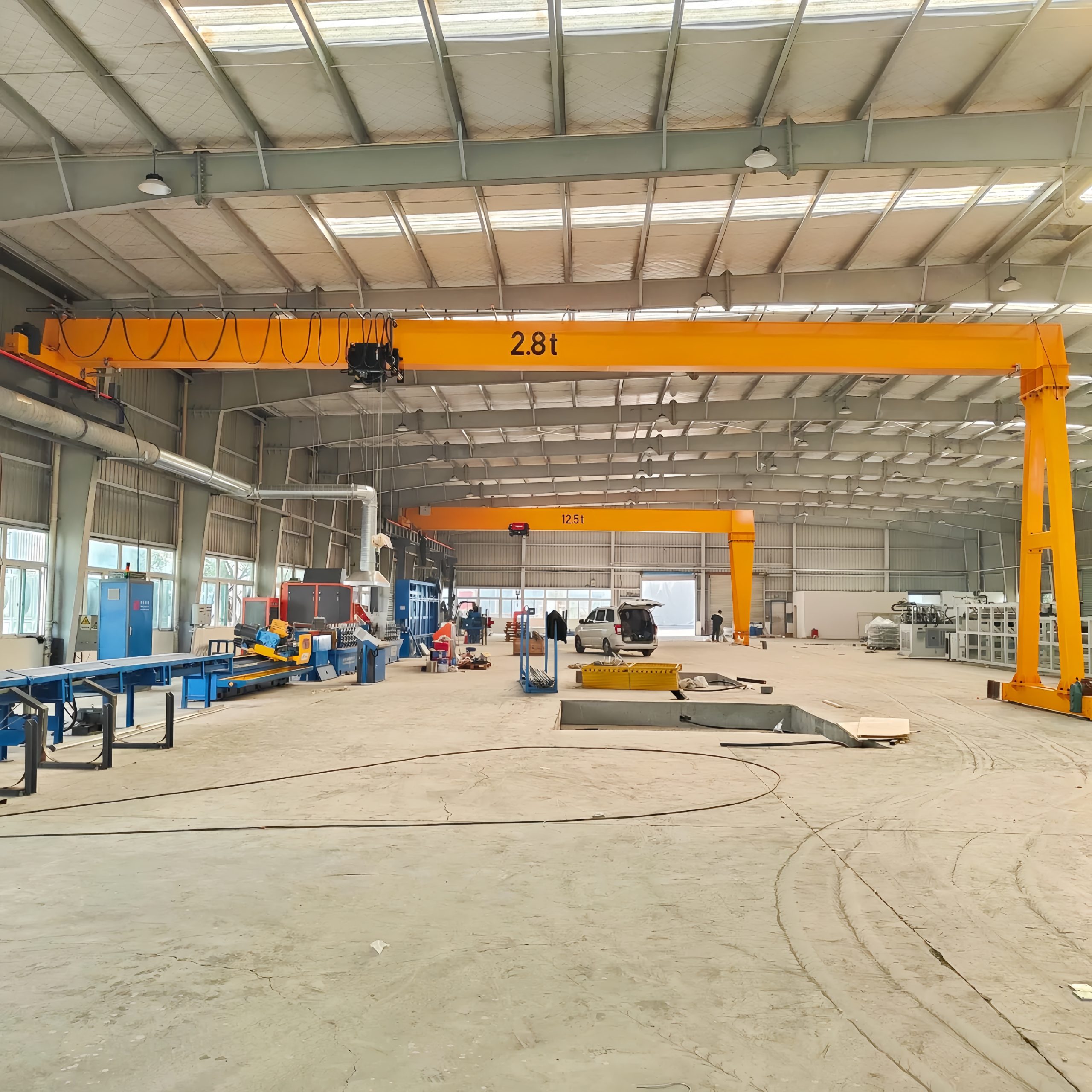
By integrating the PDCA (Plan-Do-Check-Act) cycle concept—combining Precise Planning, Standardized Operation, Technical Safeguards, and Continuous Improvement—into daily safety management, the measures above form a sustainable mechanism to fundamentally prevent side pulling and angular lifting, ensuring the intrinsic safety of European-style single girder overhead crane operations.